Image-Guided Treatment
Central & Vascular Access Lines
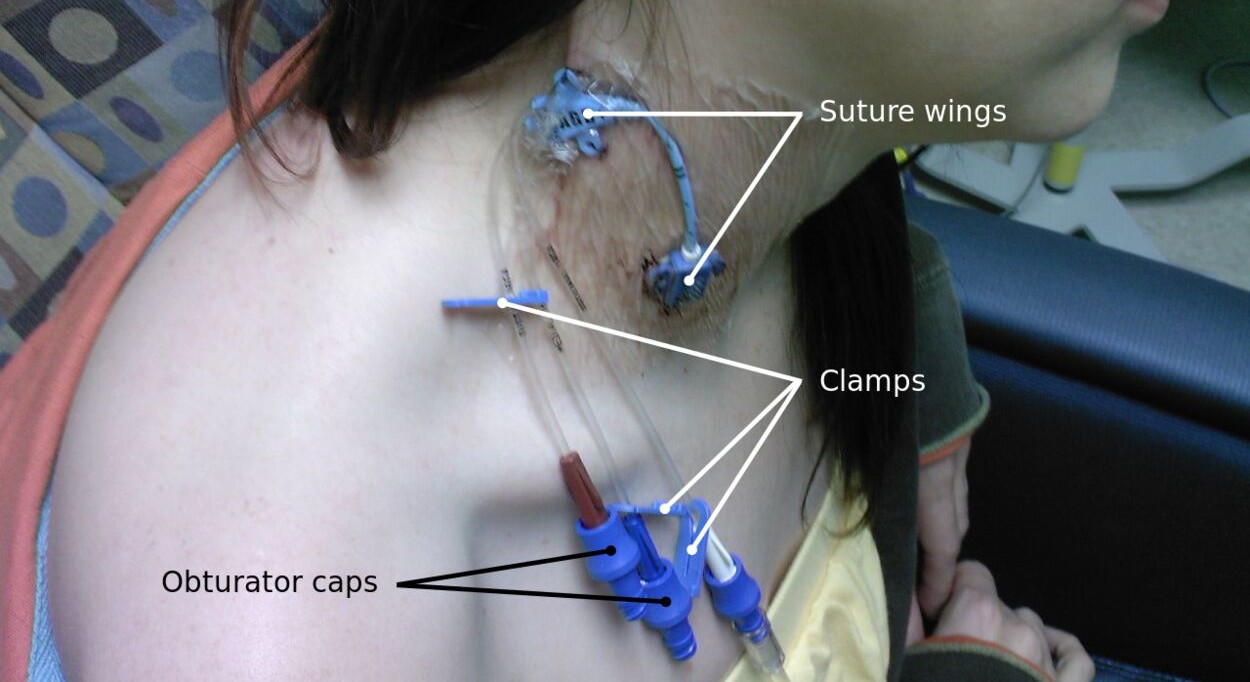
Central and Vascular Access Lines are specialised catheters placed into blood vessels to provide reliable access to the bloodstream for medications, fluids, nutrition, blood products and other medical treatments. Image-guided placement can improve accuracy and help reduce complications in appropriately selected patients.
What Are Central & Vascular Access Lines?
Vascular access devices provide a dependable route into the bloodstream when regular peripheral intravenous access is difficult or when long-term treatment is required.
Depending on the patient's medical needs, vascular access may include central venous catheters, PICC lines, temporary dialysis catheters and other specialised vascular access devices.
These lines may be used in hospitals, intensive care units, oncology settings, dialysis and other situations requiring reliable venous access.
When Are Vascular Access Lines Needed?
Central or vascular access may be recommended for patients who require:
- Long-term intravenous medications
- Chemotherapy or other cancer treatments
- Intravenous fluids or nutrition
- Repeated blood sampling
- Blood products
- Haemodialysis or other renal replacement therapy
- Medications that require administration through a central vein
The choice of access device depends on the duration of treatment, type of medication, patient's vascular anatomy and overall health.
How Are Central Lines Placed?
Central and vascular access lines can be inserted using ultrasound and X-ray imaging guidance. Before the procedure, the specialist identifies an appropriate blood vessel and determines the safest access route.
After local anaesthesia, a small needle is used to access the vein. The catheter is then carefully advanced to the desired position. Imaging may be used to confirm the catheter's location before the procedure is completed.
Image guidance helps improve catheter placement accuracy and can reduce the risk of accidental injury to nearby structures.
Benefits of Image-Guided Vascular Access
Image-guided placement provides a precise and controlled approach to establishing vascular access. It can be particularly helpful for patients with difficult veins, complex medical conditions or a need for long-term vascular access.
Proper care and monitoring are important to reduce complications such as infection, bleeding, catheter blockage, blood clots or catheter displacement.
Personalised Vascular Access Care
Dr. Avichala Taxak provides specialised image-guided vascular access procedures based on each patient's treatment requirements and vascular anatomy. The most appropriate access device is selected after considering the type and duration of treatment.
If you require reliable venous access for ongoing treatment, consult a specialist to understand the most suitable central or vascular access option for your needs.
Why Choose Expert Care?
Safe and effective vascular access placement requires accurate imaging-based planning, precise catheter positioning, and experienced interventional technique. Modern image-guided methods can help specialists establish vascular access with greater accuracy and lower procedural risk.
If you require reliable venous access for ongoing treatment, consult an experienced interventional radiologist to determine the most suitable central or vascular access option for your needs.
Every patient needs an individual assessment.
Central or vascular access lines may be appropriate for some patients, while another type of access may be better for others. A detailed evaluation helps determine the most suitable approach for your condition.