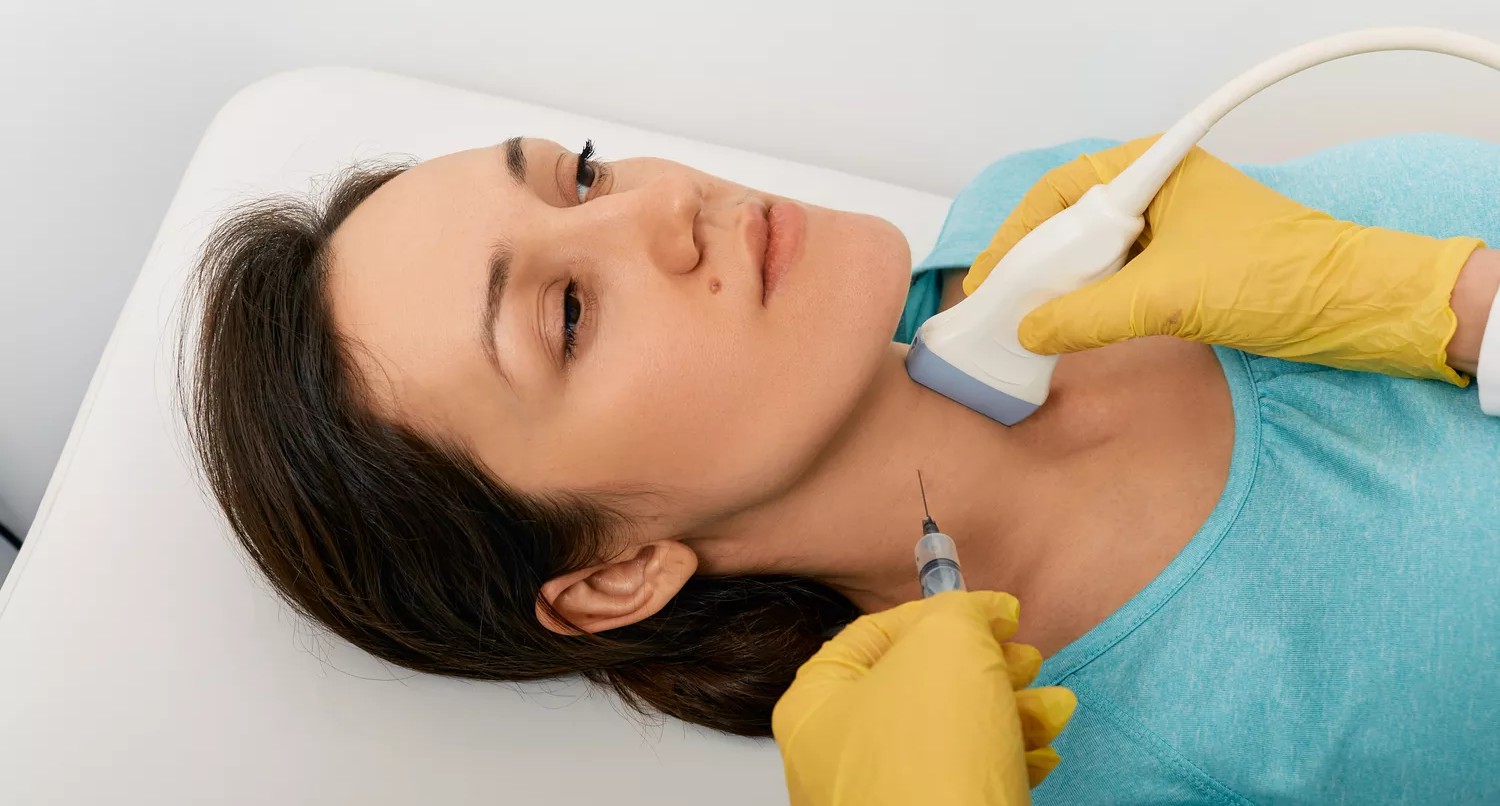
Vascular & Interventional Treatment
Image-Guided Biopsy Procedures
Image-Guided Biopsy is a minimally invasive procedure used to obtain a small tissue sample from an abnormal area for laboratory examination. Using imaging such as ultrasound, CT or other appropriate guidance, the specialist can accurately target the area of concern while reducing unnecessary injury to surrounding tissues.
What Is an Image-Guided Biopsy?
A biopsy helps doctors determine the nature of a suspicious lump, lesion or abnormal tissue. During an image-guided biopsy, real-time or detailed imaging is used to locate the target and guide a biopsy needle precisely to the required area.
The collected tissue is sent to a pathology laboratory where it can be examined for cancer, infection, inflammation or other abnormalities.
When Is an Image-Guided Biopsy Recommended?
Image-guided biopsy may be recommended when imaging identifies a suspicious or unexplained abnormality that requires tissue diagnosis. Depending on its location, biopsies may be performed for lesions involving:
- Liver
- Lung
- Kidney
- Lymph nodes
- Bone
- Soft tissues
- Abdominal or pelvic organs
The type of biopsy depends on the location and characteristics of the lesion, the suspected diagnosis and the patient's medical history.
How Is the Procedure Performed?
Before the procedure, imaging is reviewed to determine the safest access route. Depending on the location, ultrasound or CT guidance may be used.
After cleaning and numbing the skin with local anaesthesia, a specialised biopsy needle is carefully advanced toward the target. One or more small tissue samples may be collected. The samples are then sent to a pathology laboratory for detailed analysis.
Most image-guided biopsies require only a small skin puncture and may be performed as an outpatient procedure, depending on the type and complexity of the biopsy.
Benefits of Image-Guided Biopsy
Image-guided biopsy allows precise sampling of lesions that may be difficult or unsafe to reach using conventional methods. Accurate needle placement can help minimise damage to nearby organs, blood vessels and other healthy tissues.
The procedure can provide essential information for diagnosis, cancer staging and treatment planning.
As with any invasive procedure, potential risks may include bleeding, infection, pain or injury to nearby structures. Your specialist will assess your individual risks before the procedure.
Personalised Diagnostic Care
Dr. Avichala Taxak provides specialised image-guided minimally invasive procedures for selected patients requiring tissue diagnosis. A detailed review of imaging and medical history helps determine the most appropriate biopsy technique.
If you have been advised to undergo a biopsy, consult a specialist to understand the procedure, preparation and expected results.
Why Choose Expert Care?
Safe and effective image-guided biopsy requires accurate imaging-based planning, precise needle placement, and experienced interventional technique. Modern guidance systems can help specialists obtain diagnostic tissue samples with greater accuracy while minimising impact on surrounding structures.
If you have been advised to undergo a biopsy, consult an experienced interventional radiologist to determine the most appropriate image-guided approach for your condition.
Every patient needs an individual assessment.
Image-guided biopsy may be appropriate for some patients, while another diagnostic approach may be better for others. A detailed evaluation helps determine the most suitable method for your condition.