Interventional Oncology
Palliative Pain & Symptom Relief
Palliative Pain & Symptom Relief focuses on reducing pain and other distressing symptoms associated with advanced cancer and serious illnesses. Interventional radiology can provide minimally invasive treatment options that may help improve comfort, function and quality of life when conventional medicines do not provide sufficient relief.
What Is Palliative Pain Management?
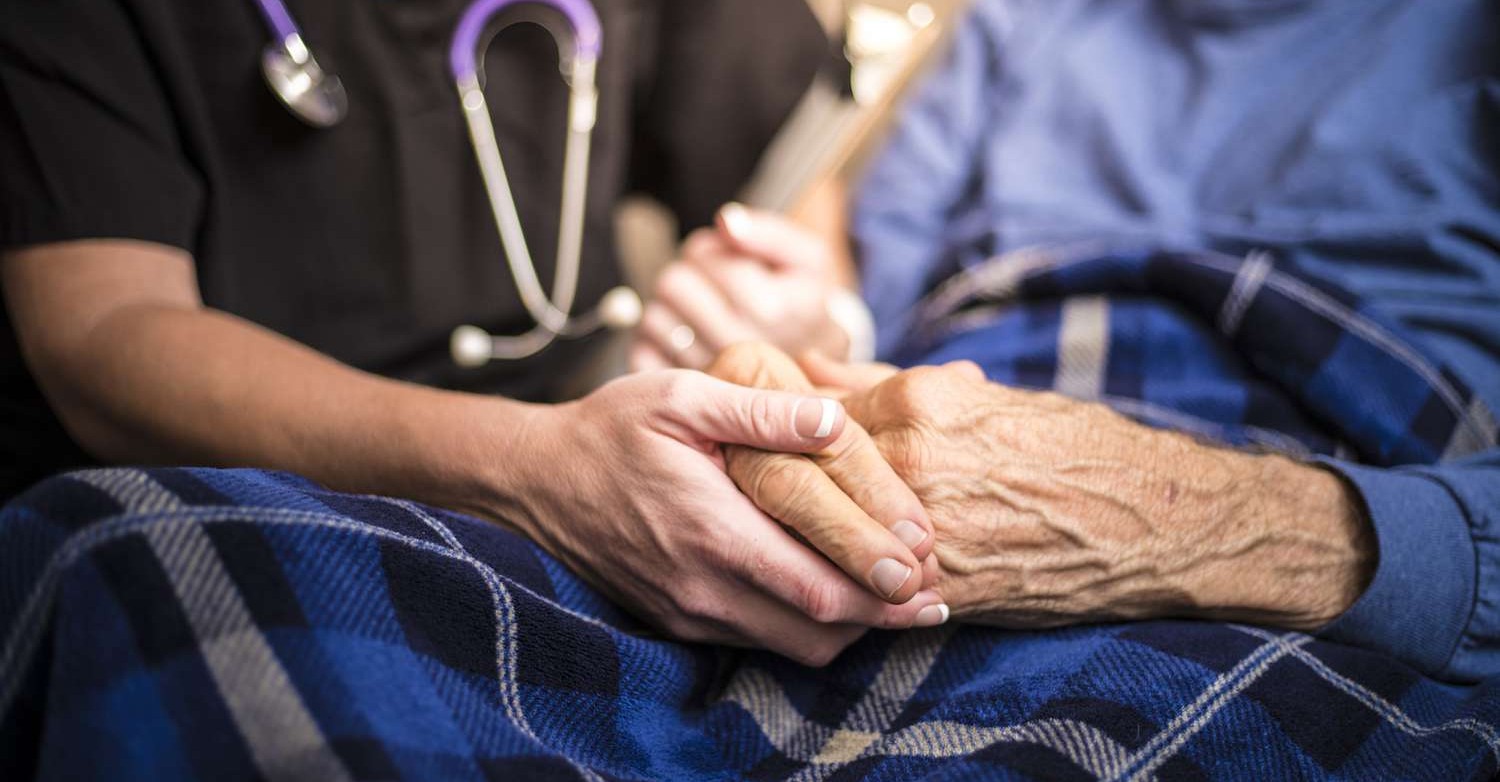
Patients with advanced cancer may experience persistent pain, nerve-related discomfort, bone pain or other symptoms caused by the disease or its treatment. Palliative care focuses on managing these symptoms while supporting the patient's overall physical and emotional wellbeing.
Depending on the cause and location of pain, image-guided interventional procedures may be considered as part of a comprehensive palliative treatment plan.
Interventional Options for Pain Relief
Selected patients may benefit from procedures such as:
- Nerve blocks to interrupt pain signals from specific nerves
- Neurolysis using carefully targeted agents to provide longer-lasting pain relief
- Image-guided injections for selected sources of pain
- Tumour ablation for certain painful tumours
- Vertebral augmentation for pain associated with selected spinal fractures
- Bone or soft-tissue interventions when appropriate
The specific procedure depends on the underlying cause of pain, tumour location, previous treatments and the patient's overall health.
When May Palliative Interventions Be Considered?
Interventional pain procedures may be considered when pain remains difficult to control despite appropriate medication or when medication-related side effects significantly affect daily life.
A comprehensive assessment may include medical history, physical examination and imaging such as CT, MRI or ultrasound to identify the source of symptoms and plan treatment safely.
How Are These Procedures Performed?
Many interventional palliative procedures are performed using image guidance, allowing the specialist to accurately target the affected nerve, tissue or tumour while minimising injury to surrounding structures.
Depending on the procedure, local anaesthesia, sedation or other forms of anaesthesia may be used. The approach is individualised according to the patient's condition and treatment goals.
Focus on Comfort and Quality of Life
The goal of palliative intervention is not always to treat the underlying disease. Instead, it aims to reduce suffering, improve comfort and support quality of life. Treatment may be coordinated with oncology, palliative medicine and other specialists.
Potential benefits and risks vary depending on the procedure and the patient's condition.
Personalised Palliative Care
Dr. Avichala Taxak provides specialised evaluation and minimally invasive image-guided interventions for selected patients requiring palliative pain and symptom management.
If persistent pain or other symptoms are affecting quality of life, a specialist assessment can help identify appropriate options for relief.
Why Choose Expert Care?
Safe and effective palliative interventions require accurate diagnosis, detailed imaging-based planning, and experienced interventional technique. Modern image-guided methods can help specialists target pain sources with precision while aiming to minimise impact on surrounding structures.
If you or a loved one has persistent pain or other distressing symptoms due to advanced illness, consult an experienced interventional radiologist and palliative care team to determine whether minimally invasive options may help.
Every patient needs an individual assessment.
Palliative pain and symptom relief procedures may be appropriate for some patients, while another approach may be better for others. A detailed evaluation helps determine the most suitable plan for your condition and goals of care.