Women's Health Treatments
Pelvic Vein Embolization
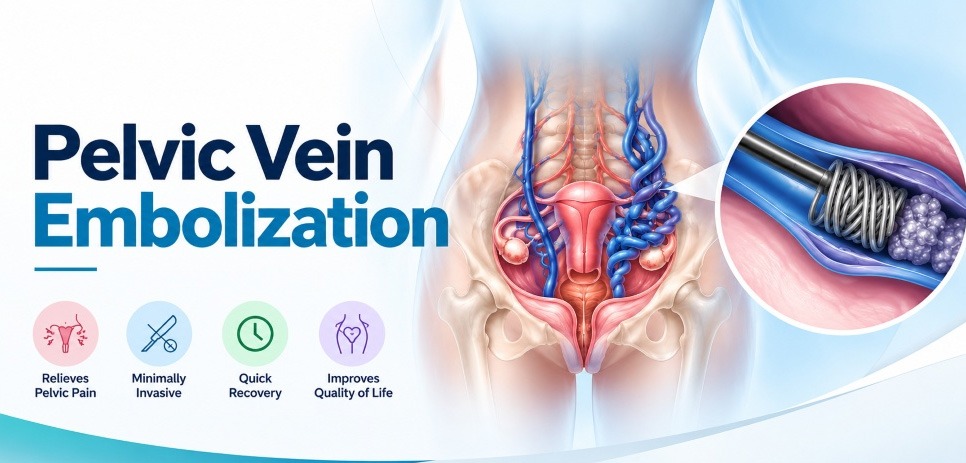
Pelvic Vein Embolization is a minimally invasive treatment for pelvic venous disorders, including pelvic congestion syndrome. It is used to treat abnormal or enlarged pelvic veins that can cause chronic pelvic pain, pressure and discomfort. The procedure works by closing faulty veins and redirecting blood through healthier veins.
What Is Pelvic Vein Embolization?
Pelvic venous disorders can occur when valves within pelvic veins do not function properly, allowing blood to flow backward and pool within the veins. This may cause the veins to become enlarged and contribute to persistent pelvic pain.
During pelvic vein embolization, an interventional radiologist uses image guidance to access the affected veins through a small catheter. Tiny coils, plugs or other embolic materials may then be used to block the abnormal veins and reduce blood pooling.
When May Pelvic Vein Embolization Be Recommended?
Pelvic vein embolization may be considered for women with symptomatic pelvic venous disorders when abnormal pelvic veins are identified and conservative treatment has not provided sufficient relief.
Symptoms may include:
- Chronic pelvic or lower abdominal pain
- Pelvic heaviness or pressure
- Pain that worsens after prolonged standing
- Pain associated with sexual activity
- Enlarged pelvic or vulvar veins
- Discomfort that may increase around menstruation
A detailed evaluation is important because pelvic pain can have several different causes.
How Is Pelvic Vein Embolization Performed?
Before treatment, imaging such as pelvic ultrasound, CT, MRI or venography may be used to evaluate the pelvic veins and identify abnormal blood flow.
During the procedure, a thin catheter is inserted through a small vascular access point, commonly through a vein in the groin or neck. Using X-ray guidance and contrast imaging, the catheter is directed to the abnormal pelvic veins. Embolic materials are then carefully placed to close the faulty veins.
Benefits of Pelvic Vein Embolization
Pelvic vein embolization is performed through a small skin puncture rather than a major surgical incision. It can provide a minimally invasive treatment option for appropriately selected patients and may help reduce symptoms caused by abnormal pelvic venous blood flow.
As with any procedure, potential risks include bleeding, infection, vessel injury, contrast reactions and unintended embolization. Your doctor will discuss the benefits and risks before treatment.
Personalised Pelvic Vein Care
Dr. Avichala Taxak provides specialised evaluation and minimally invasive treatment for pelvic venous disorders. A personalised assessment helps determine whether pelvic vein embolization is appropriate based on your symptoms, medical history and imaging findings.
If you experience persistent pelvic pain or have been diagnosed with pelvic venous disease, consult a specialist to understand your treatment options.
Why Choose Expert Care?
Safe and effective pelvic vein embolization requires accurate diagnosis, detailed imaging-based planning, and experienced interventional technique. Modern embolization methods can help specialists treat pelvic venous disorders with precision while preserving surrounding structures.
If you have persistent pelvic pain or have been diagnosed with pelvic venous disease, consult an experienced interventional radiologist to determine whether pelvic vein embolization or another treatment is appropriate for you.
Every patient needs an individual assessment.
Pelvic vein embolization may be appropriate for some patients, while another treatment may be better for others. A detailed evaluation helps determine the most suitable approach for your condition.